Sault Ste Marie, MI, US
We arrived in Sault Ste Marie, Michigan, USA after nearly 60 days in Canada. We really learned to appreciate our Canadian neighbors over the past several months and have developed some generalizations that sure seem to apply to the majority, rather than the few. For example, the people we met, with no exception, have been some of the nicest, friendliest and most helpful people we have ever encountered. What is in their water? The waters we have traveled are pristine, clean, and the majority crystal clear - which seem to indicate how important the environment is to the Canadians. Additionally, there appears to be great pride in being a Canadian, as evidenced by the Canadian flag being flown in front of every home, marina, lock and business, and on every boat and ship we have seen on our trip. Can you tell we really LOVE Canada and her people? Truly an inspiration and a gift to have been able to experience all of this throughout the summer.
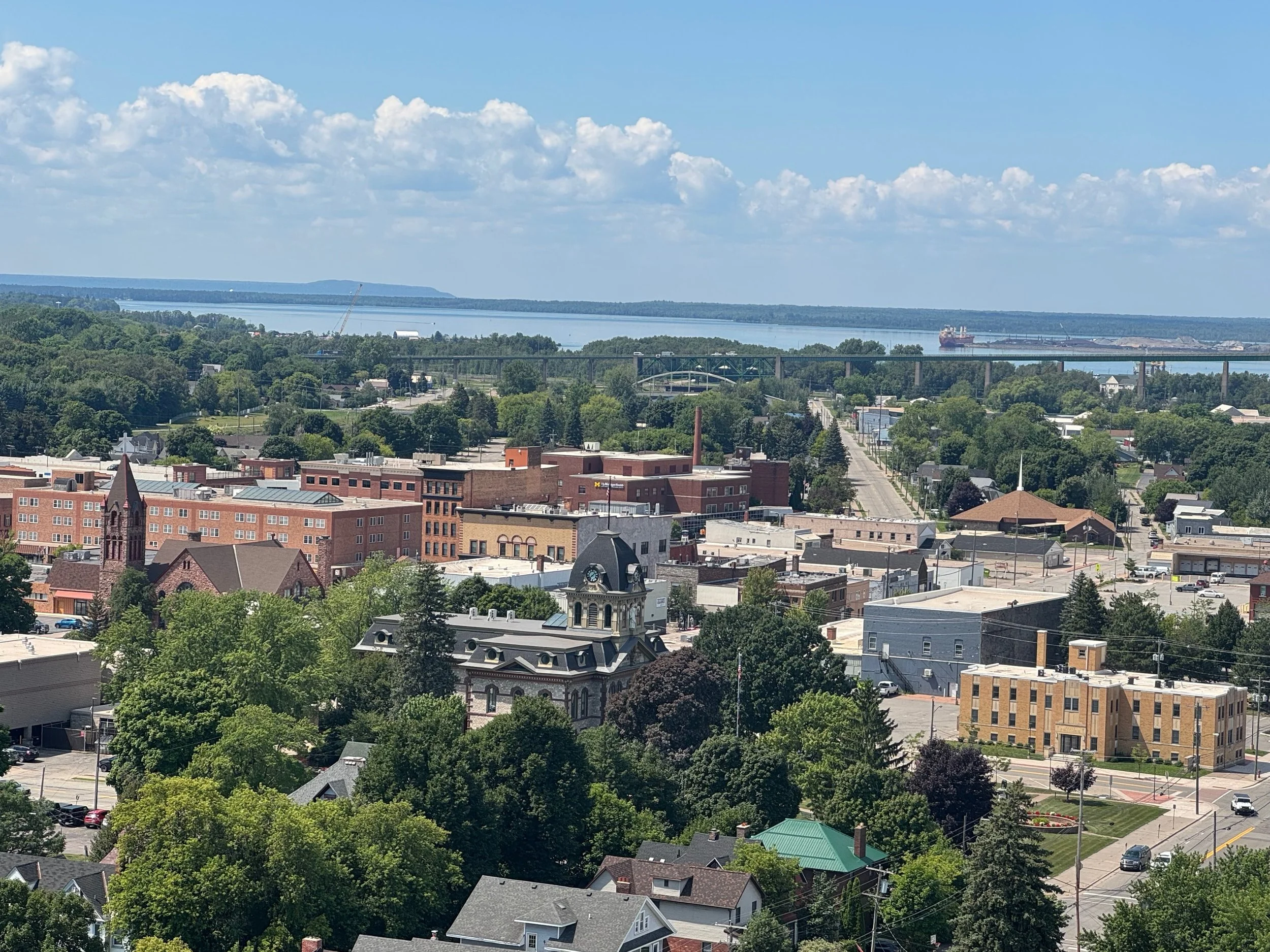
Meanwhile, back in the USA, we discovered that Sault Ste Marie, MI has a lot to offer as an off the beaten path stop. The history of the town revolves around the St. Marys River, the rapids through the narrow passage between what is now the US and Canada, the development of Great Lakes shipping and the need for safe passage between the lakes, as Lake Superior is 21 feet higher than Lake Huron. In fact, the word Sault is an old French word meaning rapids or falls. So combined with the name of the river, we have Sault Ste Marie and the SOO Locks.
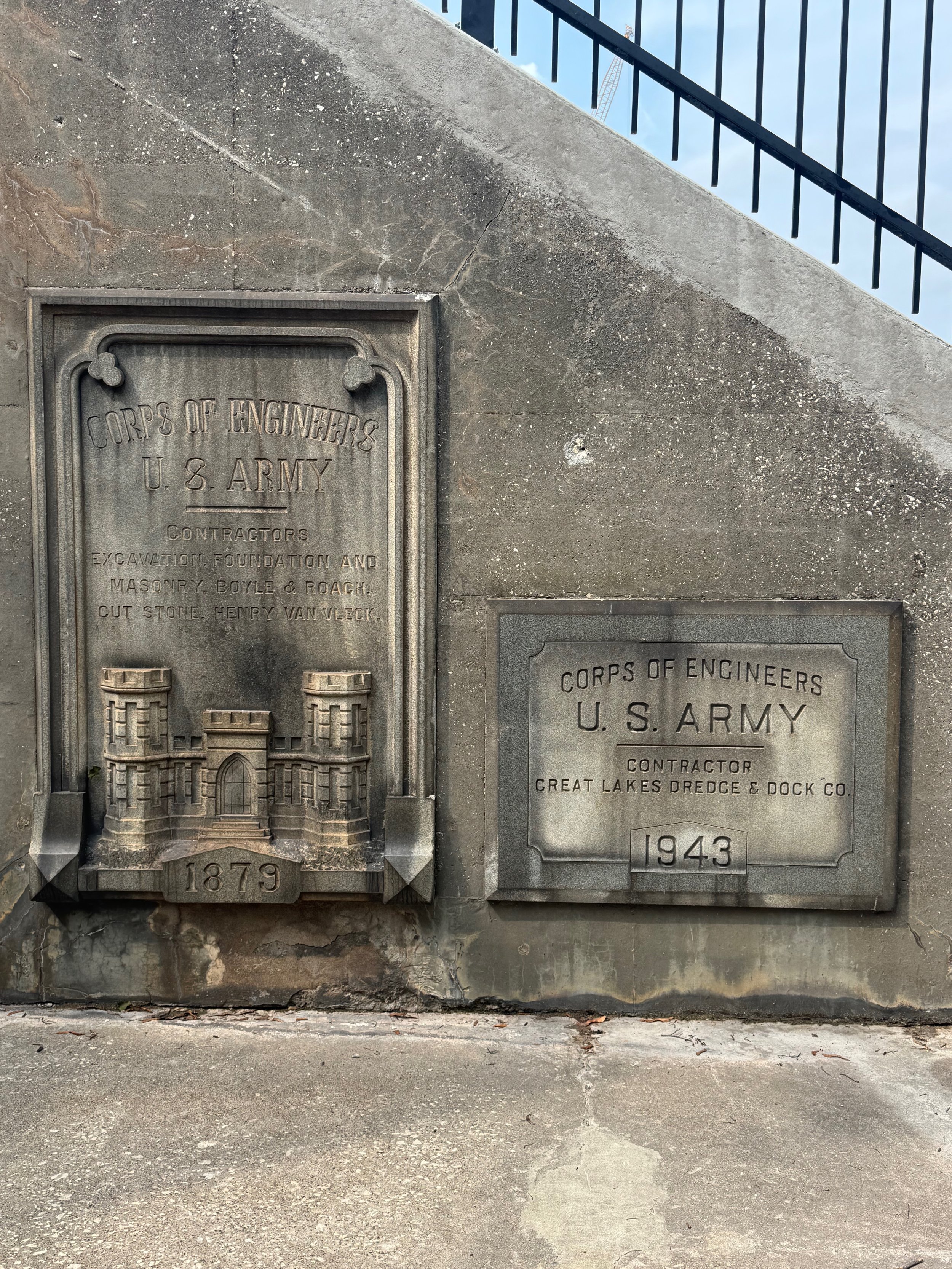
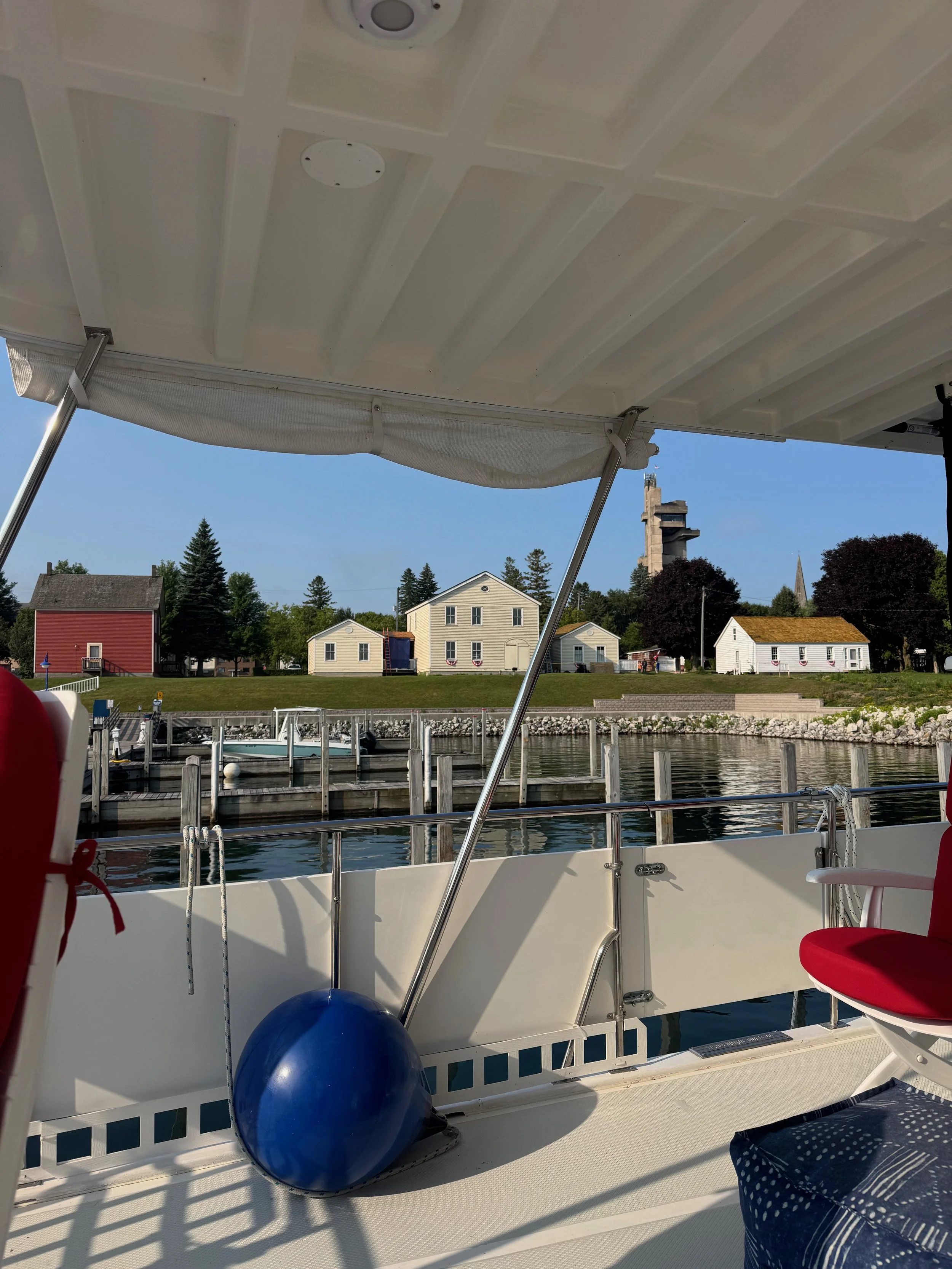
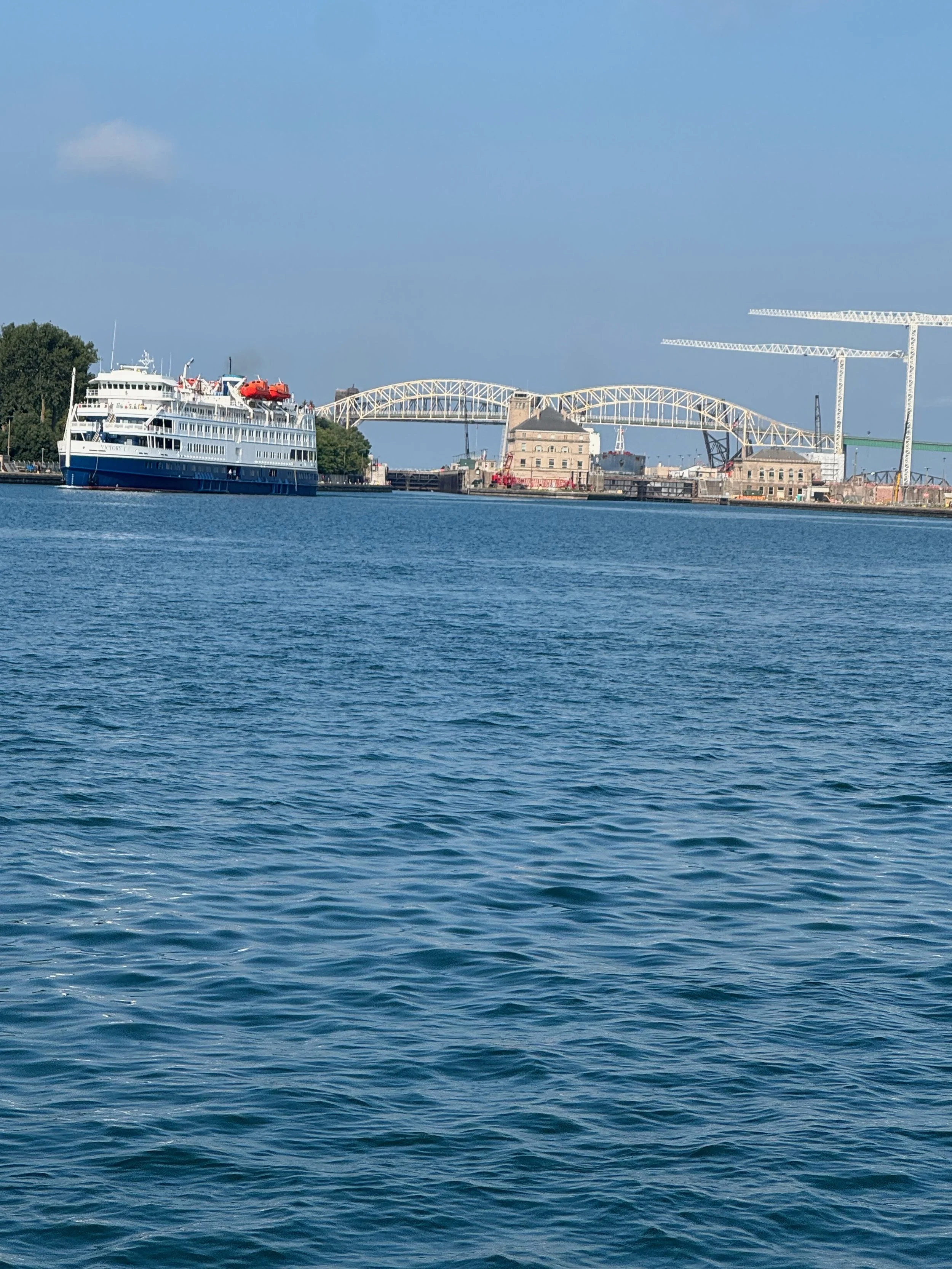
The Locks are the prime attraction. Operated by the Army Corps of Engineers, there are two operating locks and an additional two locks that have been shut down and are now being dug out to be replaced by a new lock. The Corps of Engineers has done it right as a tourist attraction. There is an excellent museum that not only has displays all about the locks, but also about the Great Lakes, the environment, the geography, the culture from the earliest indigenous population to the current day, and more. There is an accompanying three level viewing platform where lock operations can be viewed.
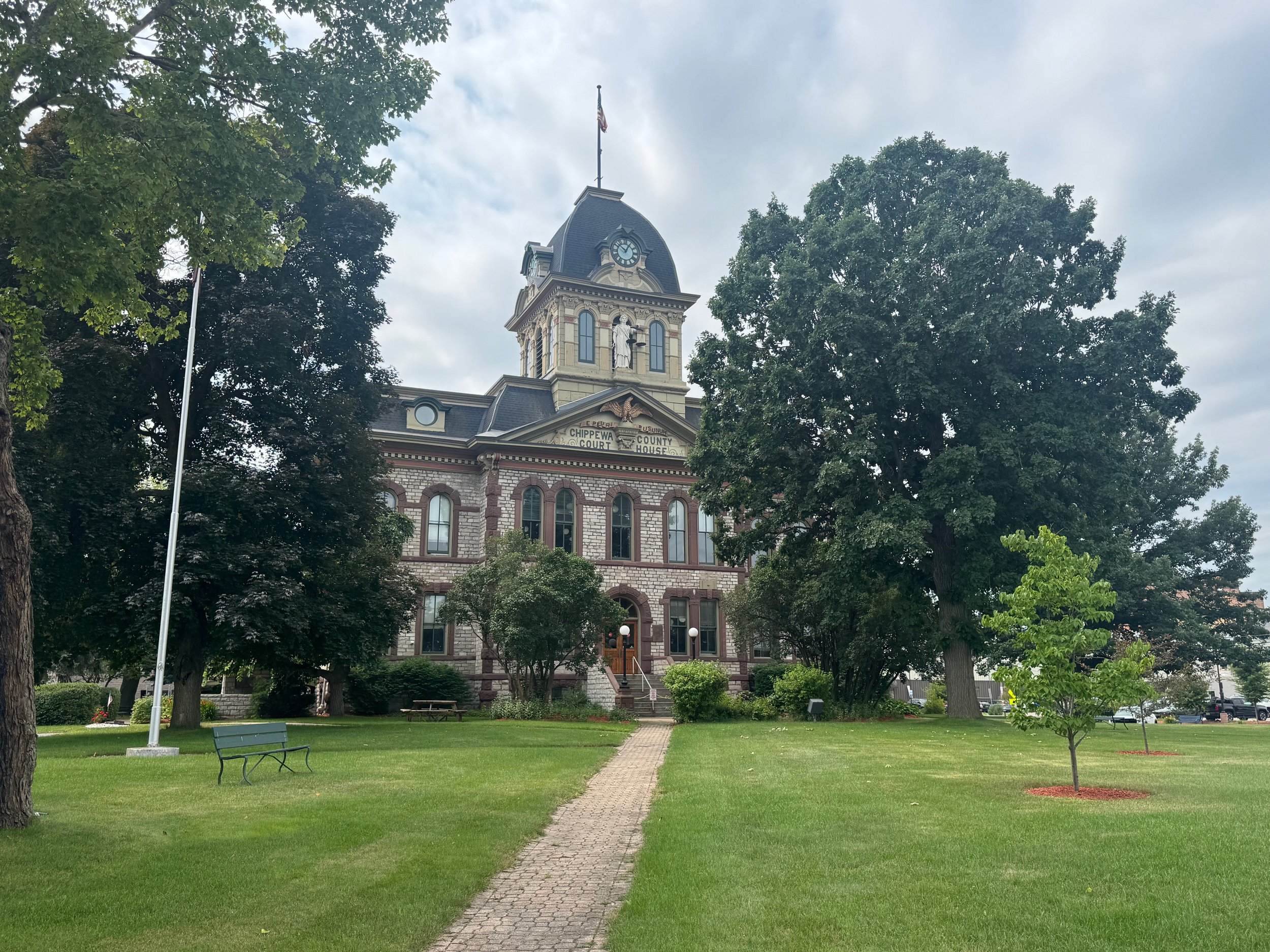
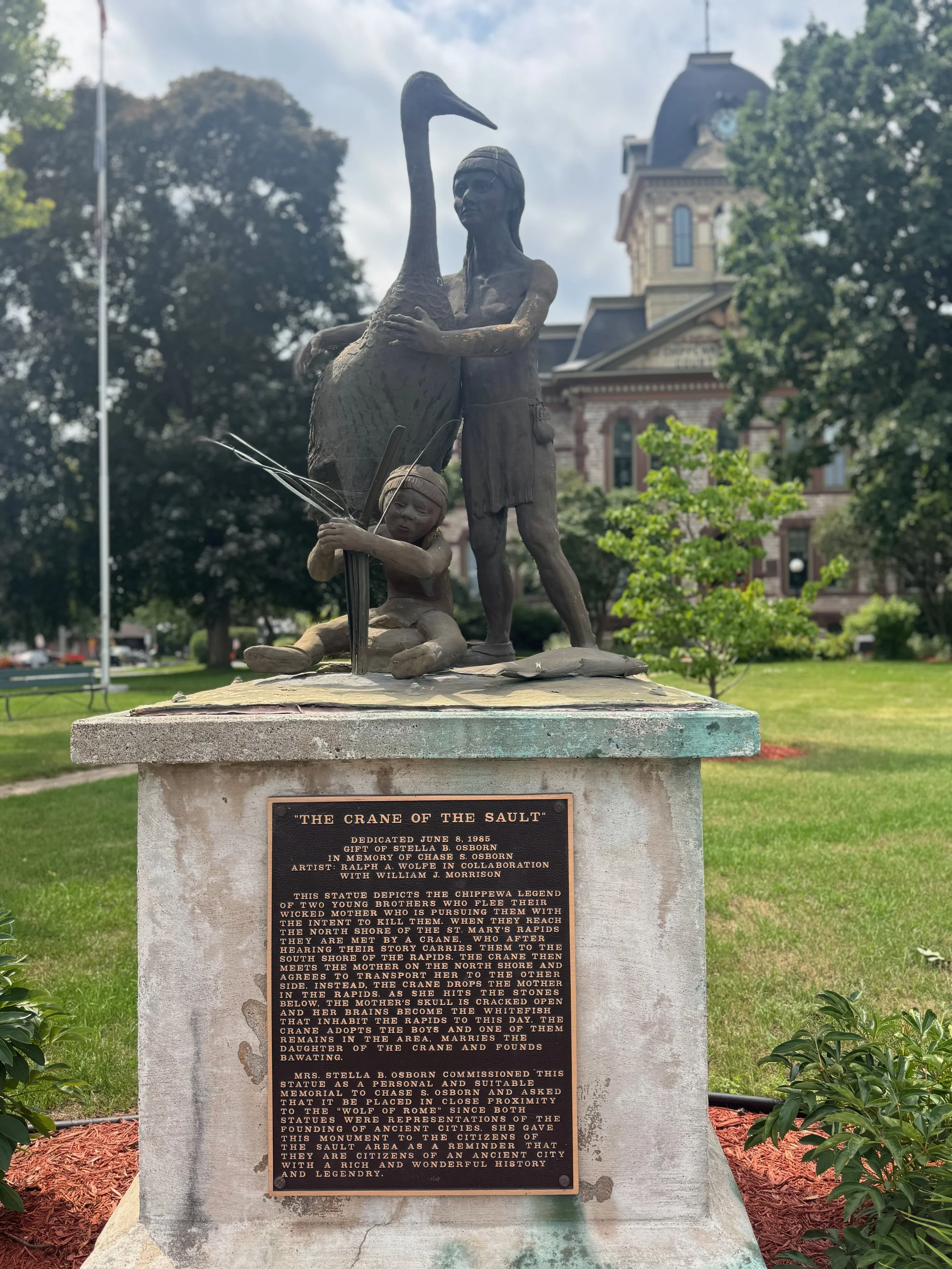
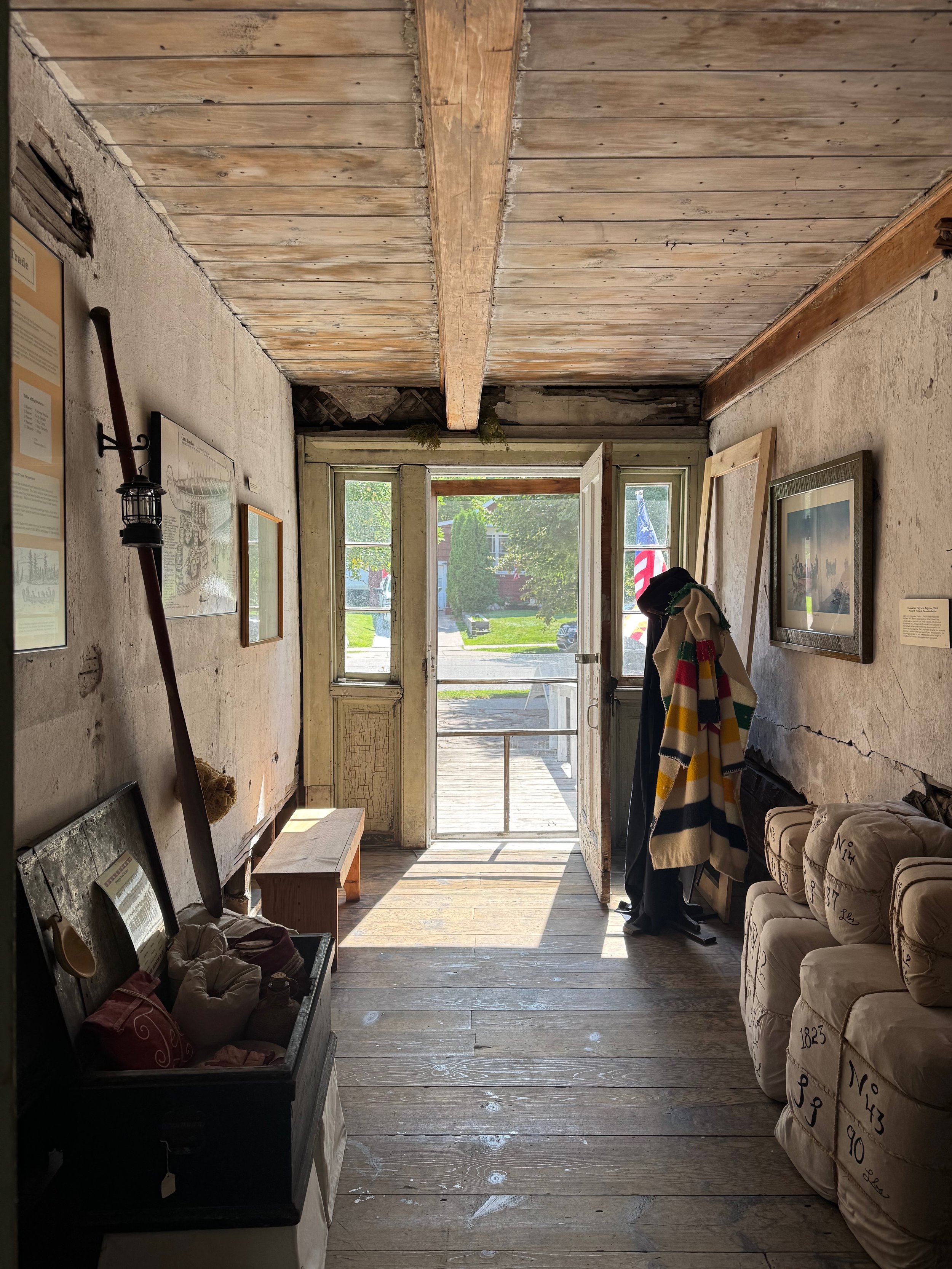
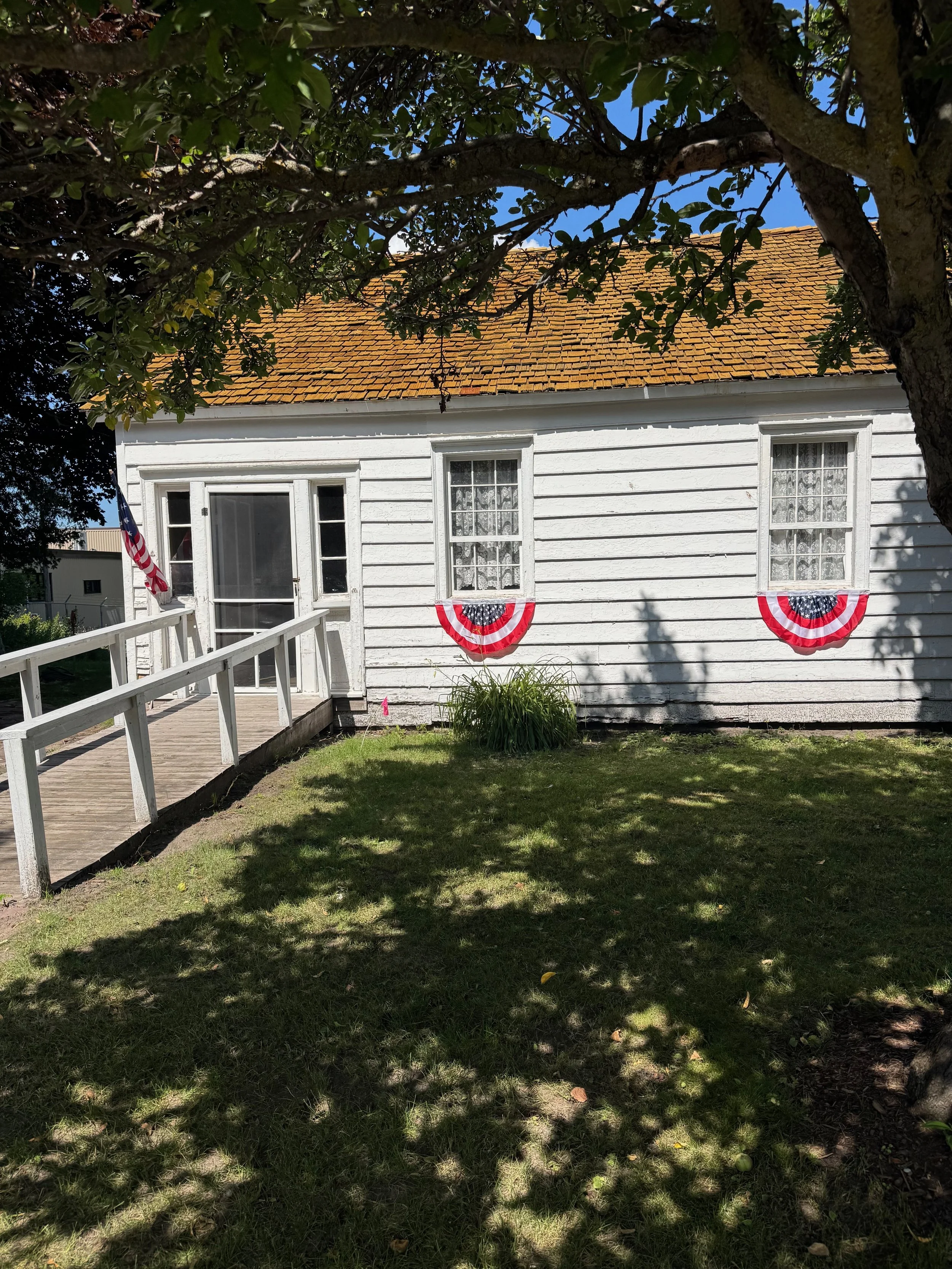
The village also preserves four homes of some of the original influential men who help build Sault Ste Marie. These homes were directly on the street in front of the marina and told such great stories about the early years. One of the oldest homes from the 1700s housed a trading post and was home to a fur trapper and his wife. Another home was occupied by a priest that who provided religious support to the entire region, and was called the snow shoe priest because he would travel miles and miles in the snow to preach to others, marry couples, and baptize new babies; and the biggest home was built by the federal government for the US rep sent to the area to negotiate the first treaties between the USA and the indigenous people of the area. The pride the town and the docents took in teaching people about the history of the area was very heartwarming and really helped drive home how rural and undeveloped this part of the country was.
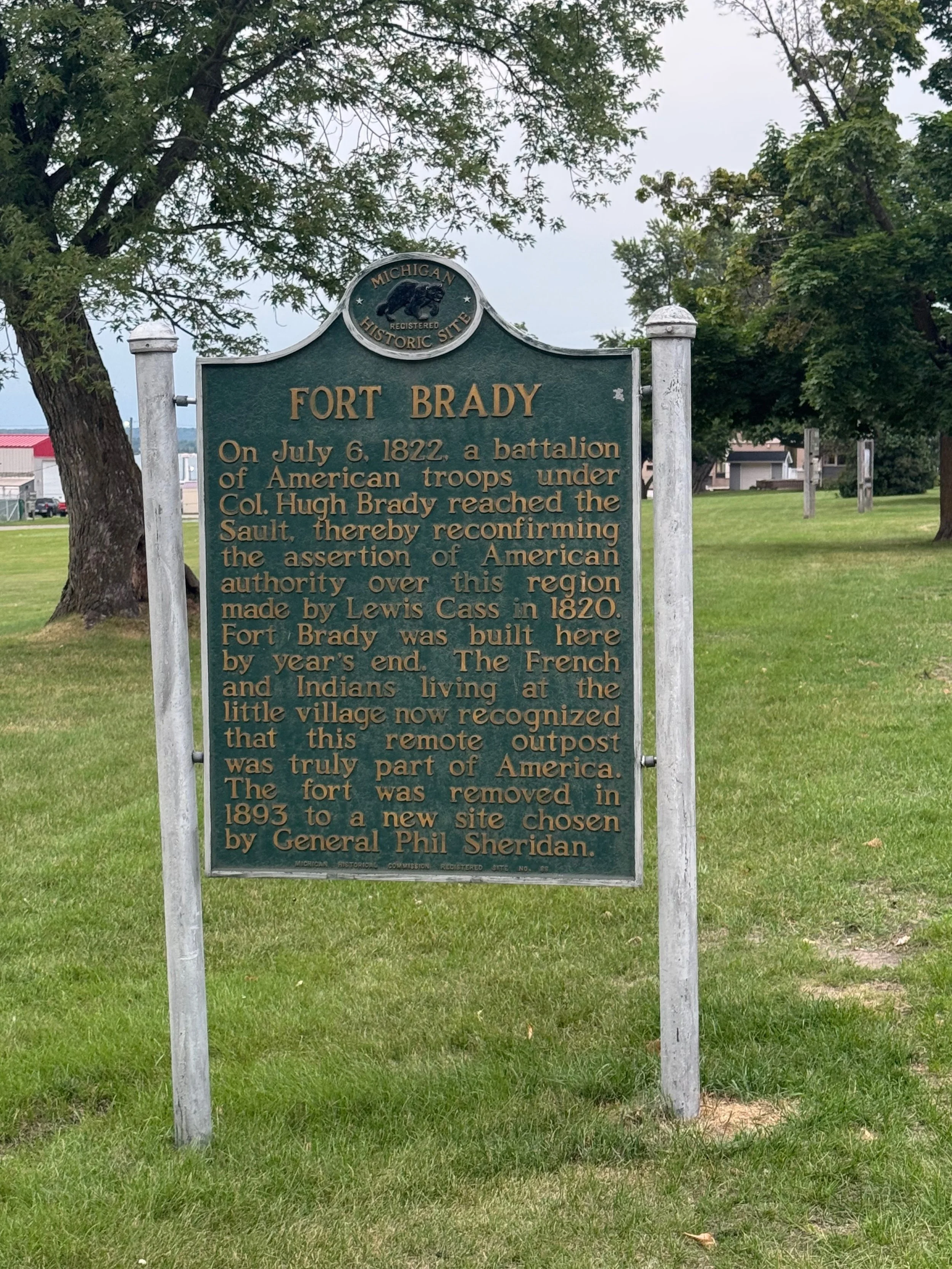
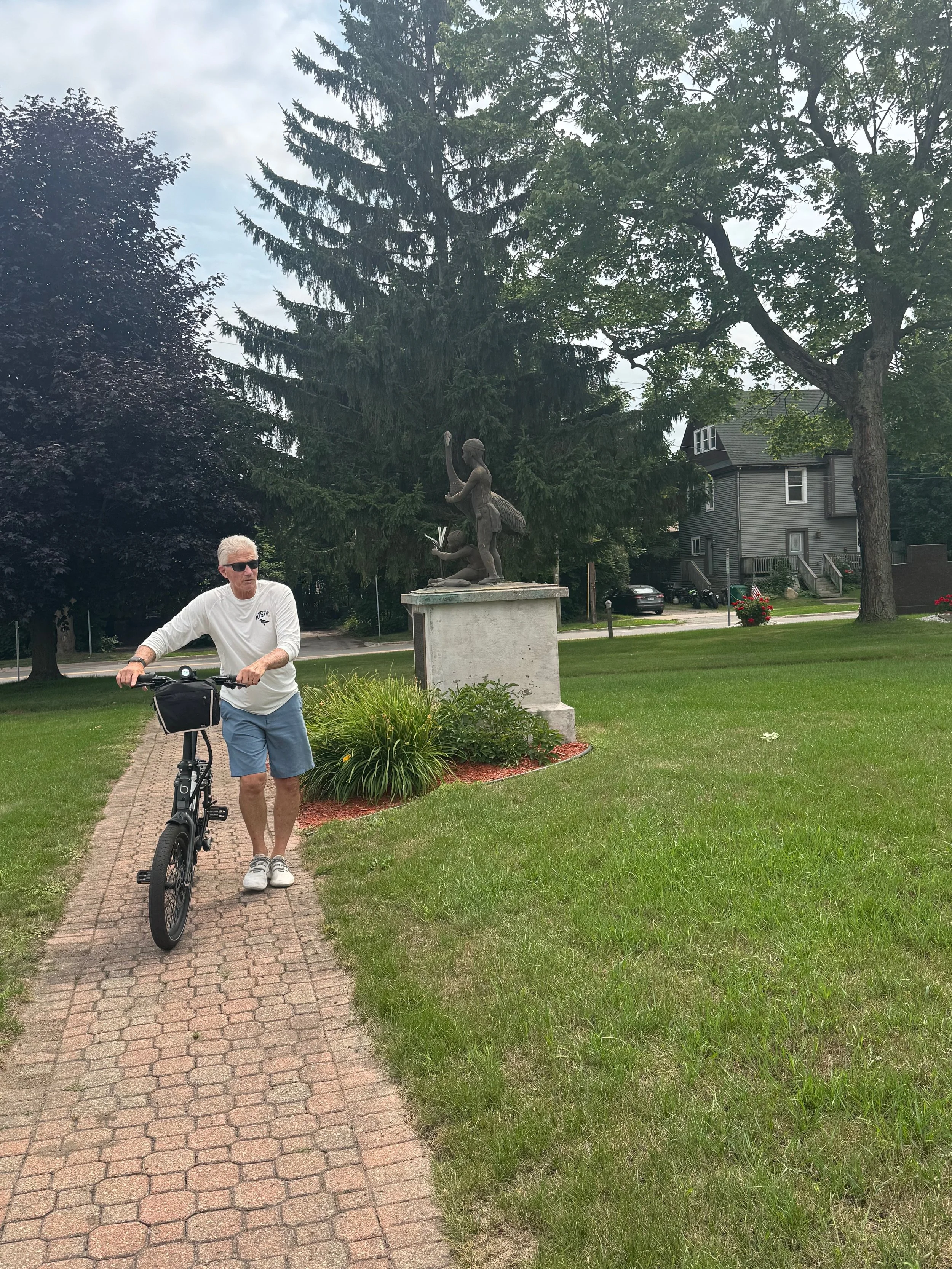
We also learned there were three forts built at Sault Ste Marie to protect the locks, all called Fort Brady. The first two were on the river right next to the locks but the third was built up the hill and is now the home of Lake Superior State University. The university has kept the headquarters building and many of the officer’s quarters and repurposed them into administrative and academic department buildings. We rode our bikes up the hill and could immediately recognize the fort, which had a similar layout to many midwestern forts we’ve visited through the years.
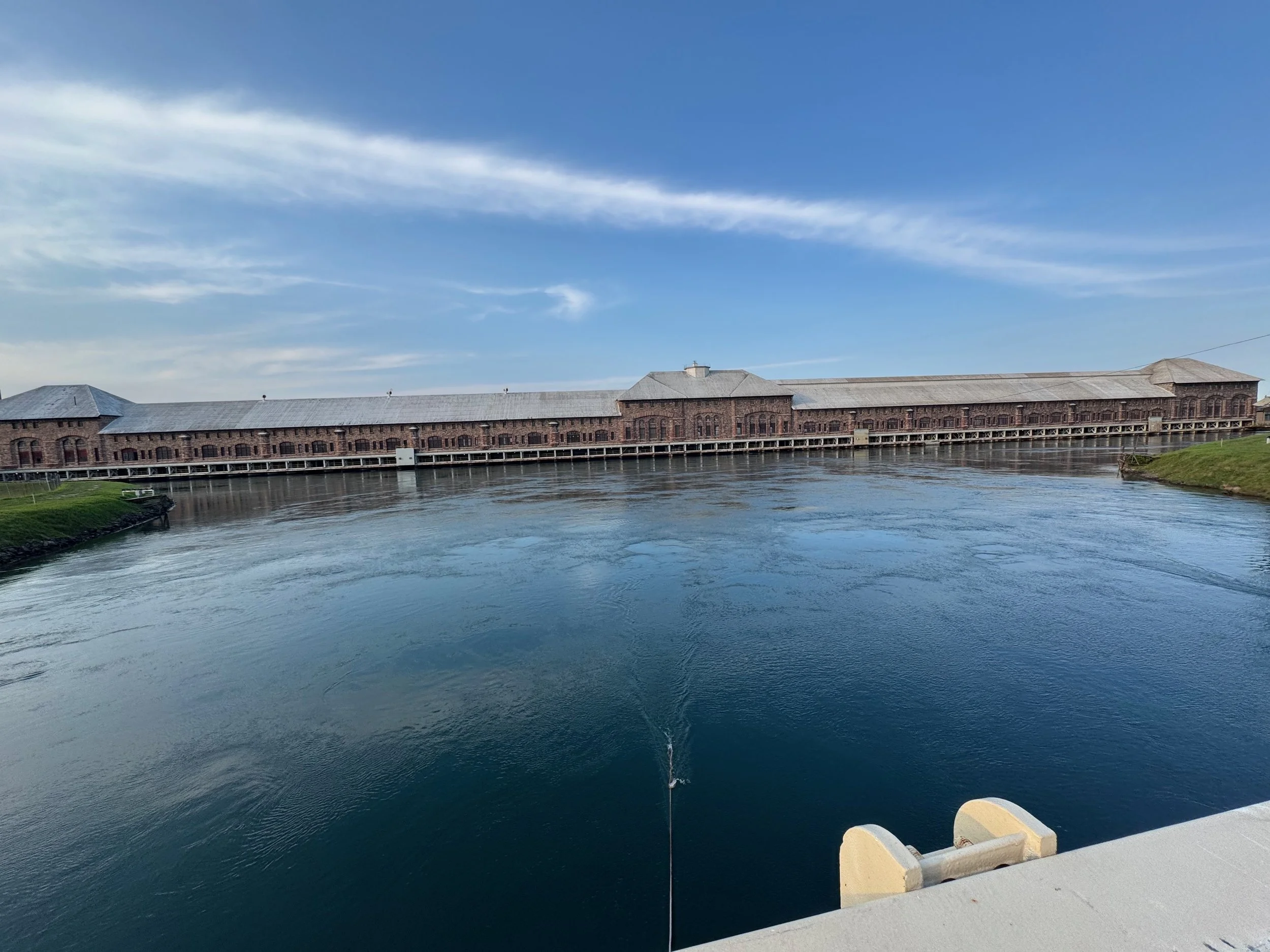
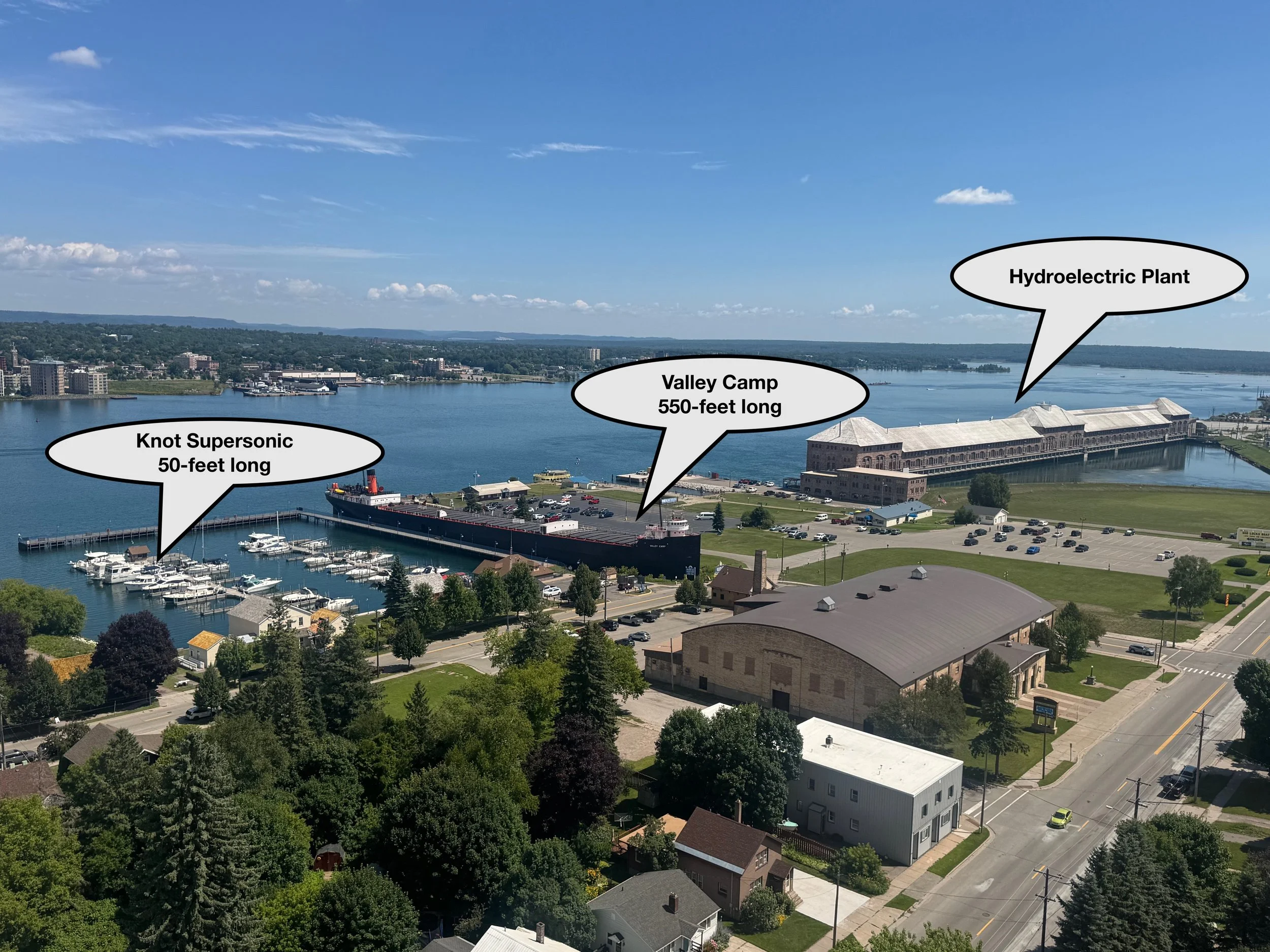
Sault Ste Marie is an engineering geek’s wonderland. Between the locks, the unique Cleveland Electric Cooperative Hydroelectric Plant, and the massive ships themselves, there is much to interest an engineer.
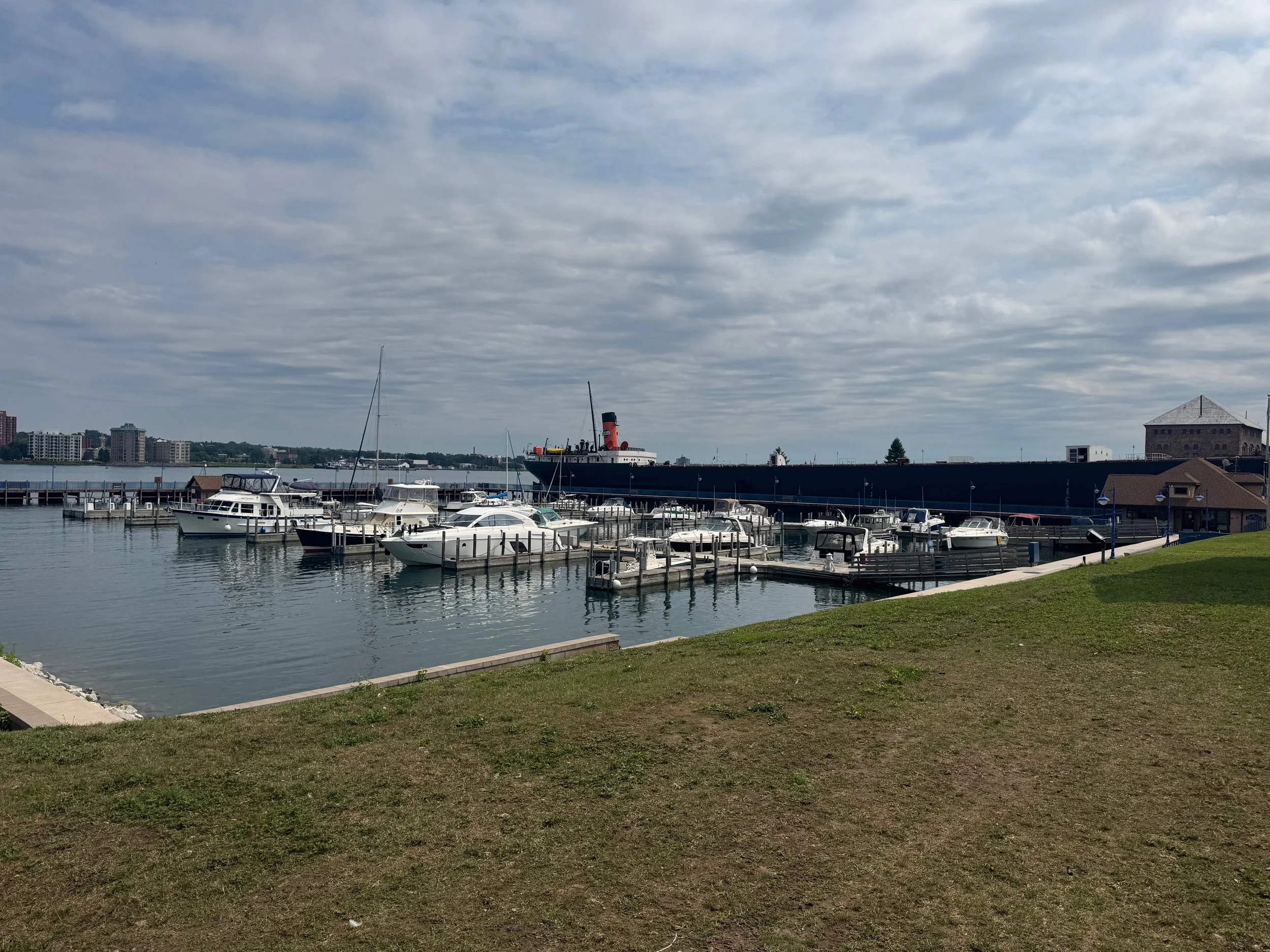
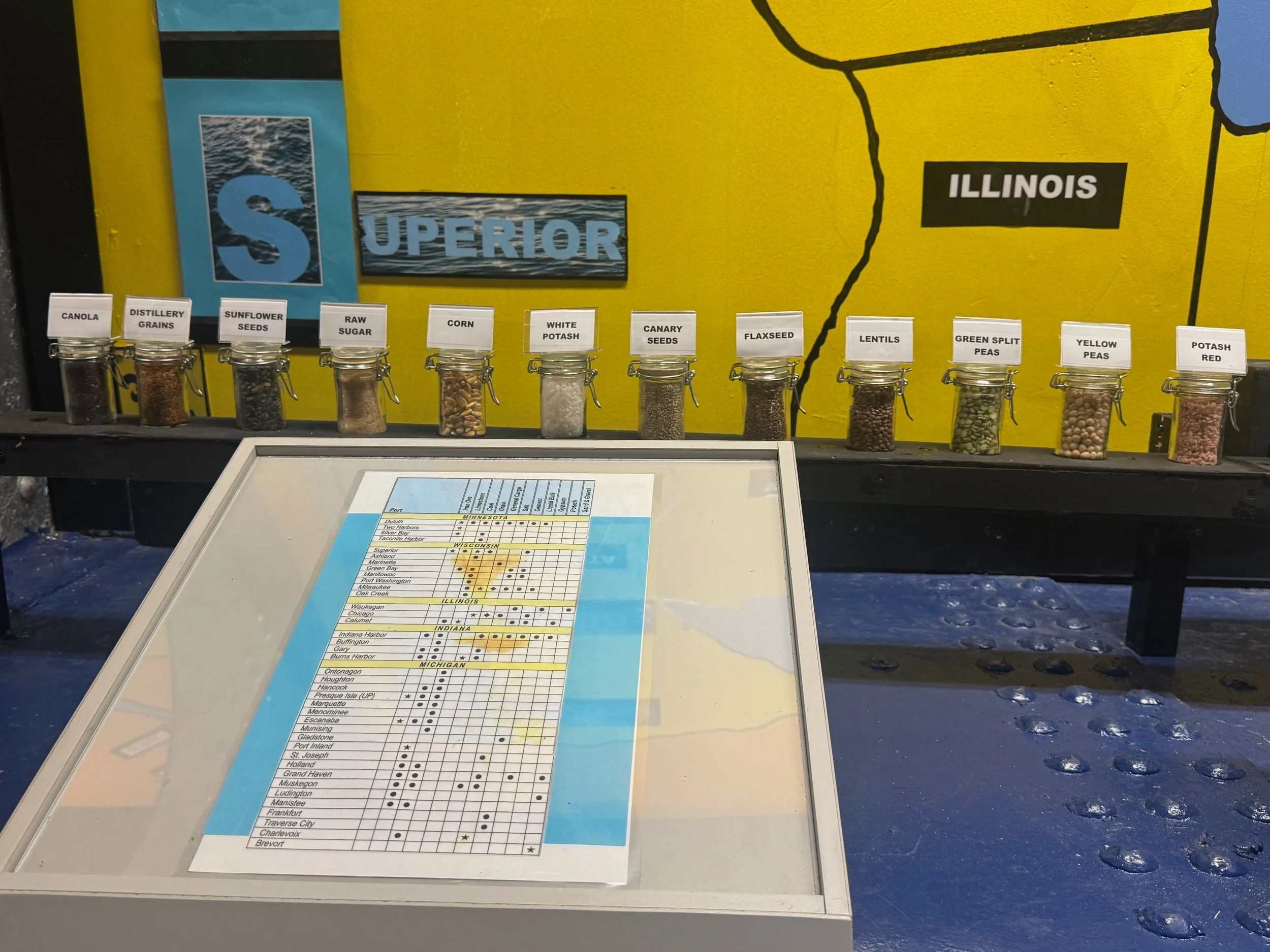
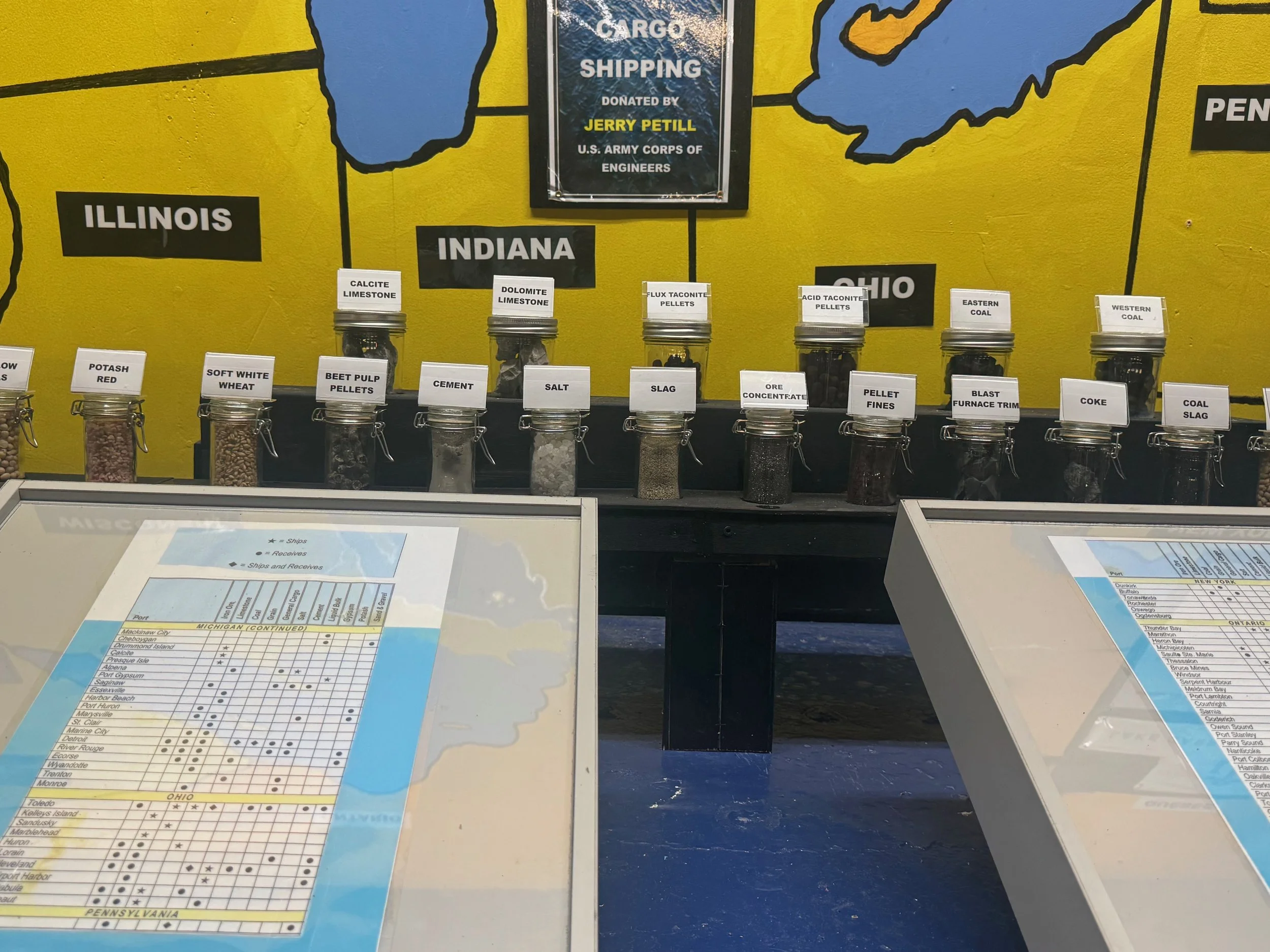
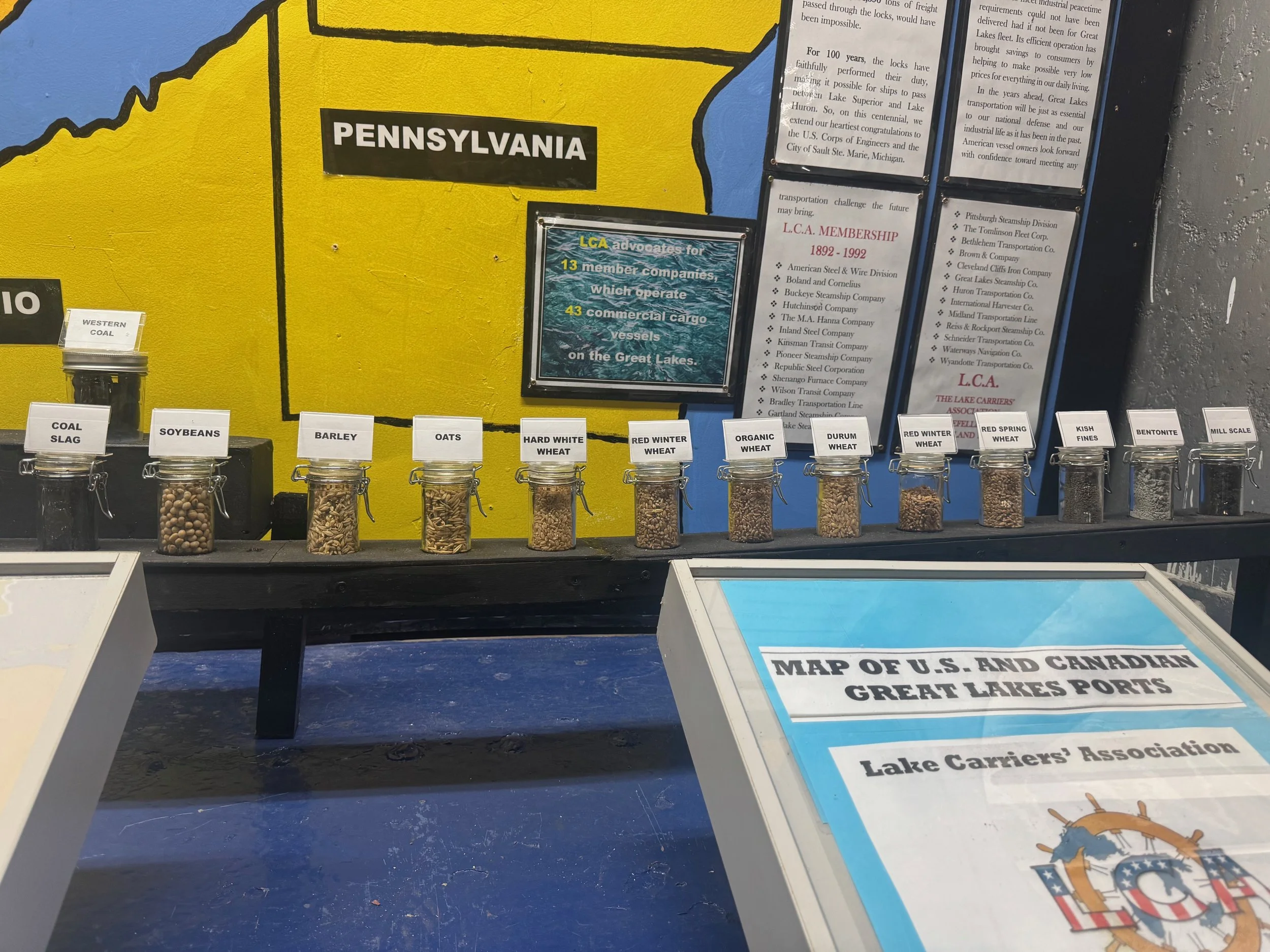
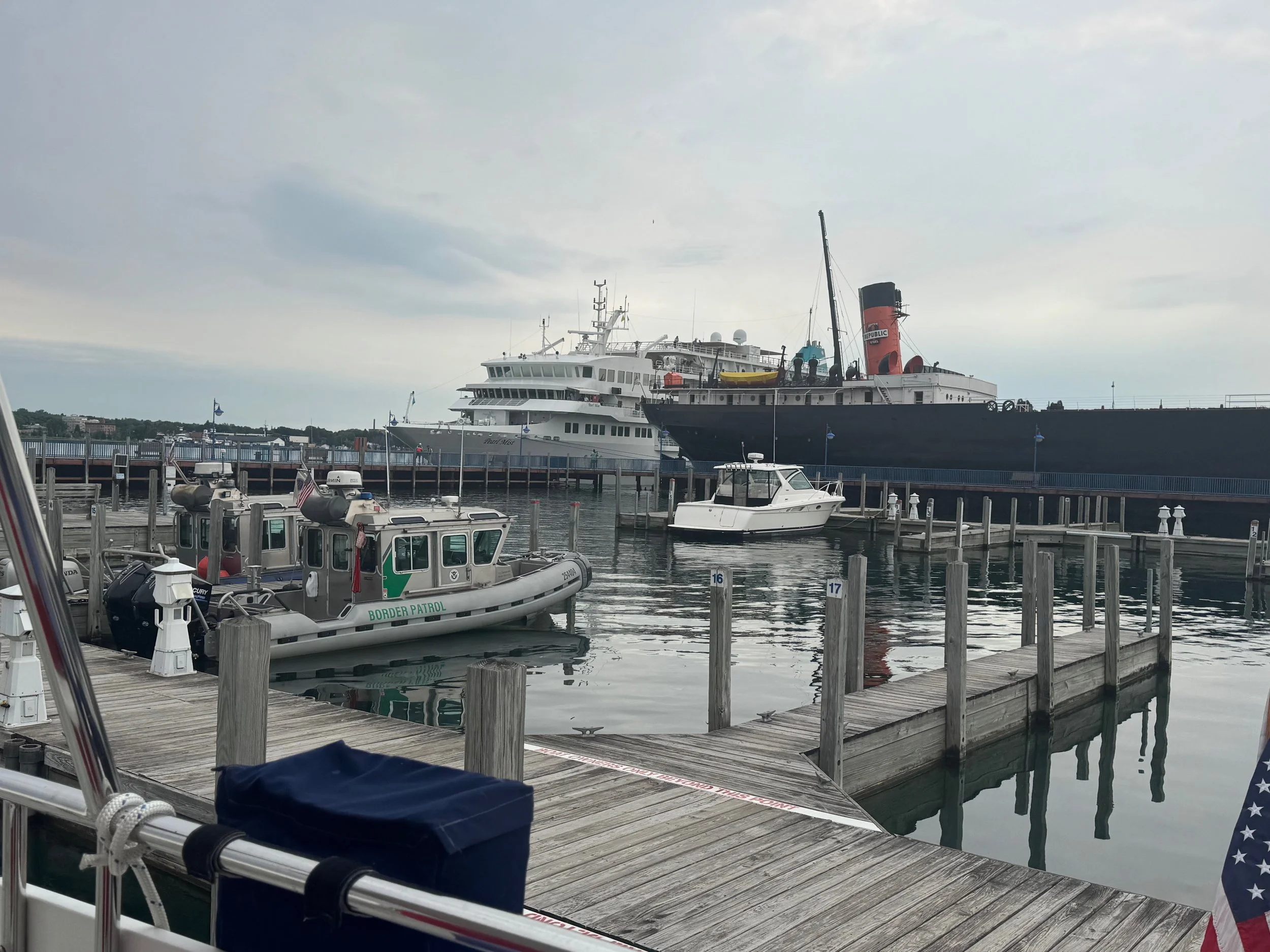
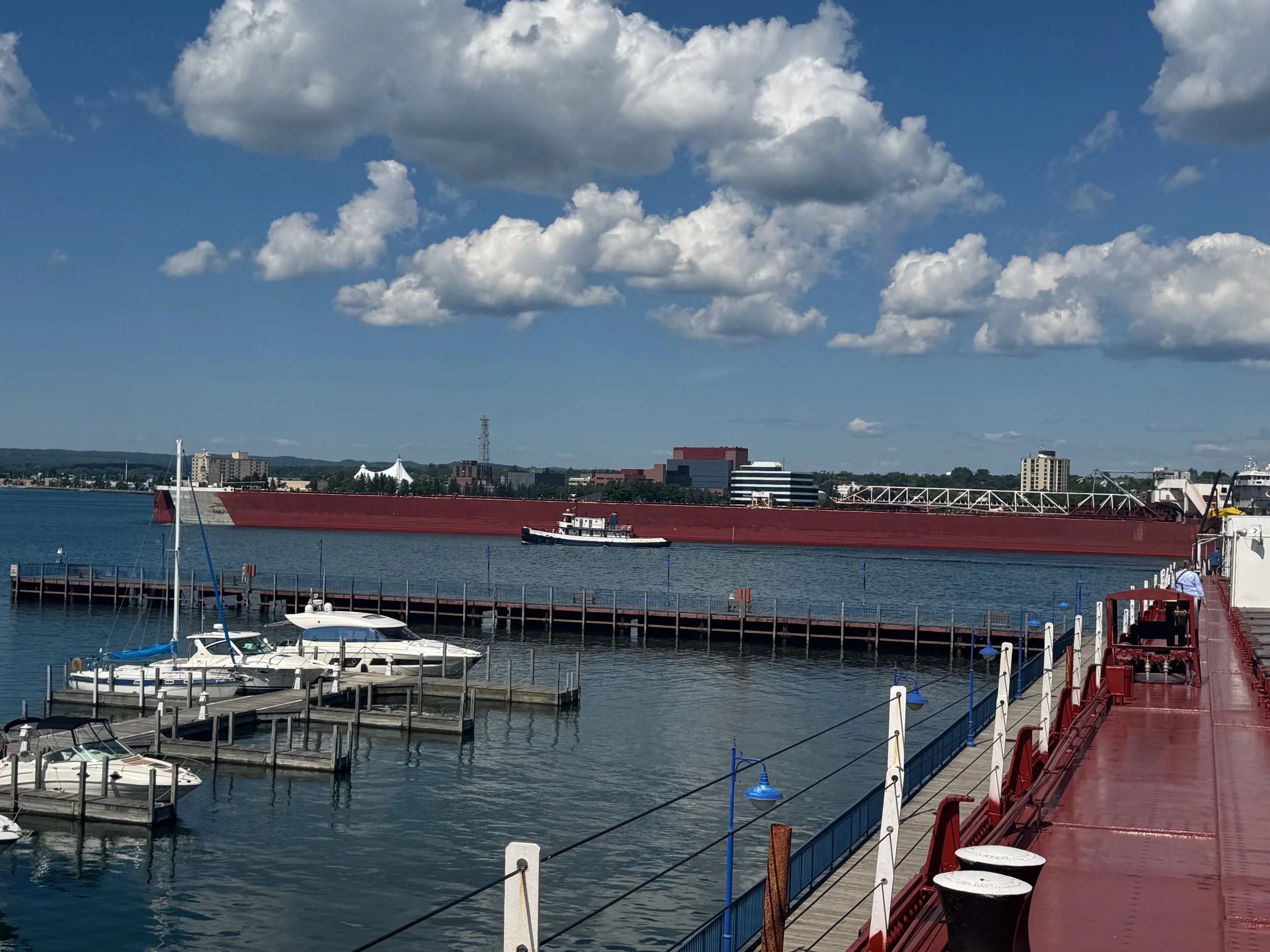
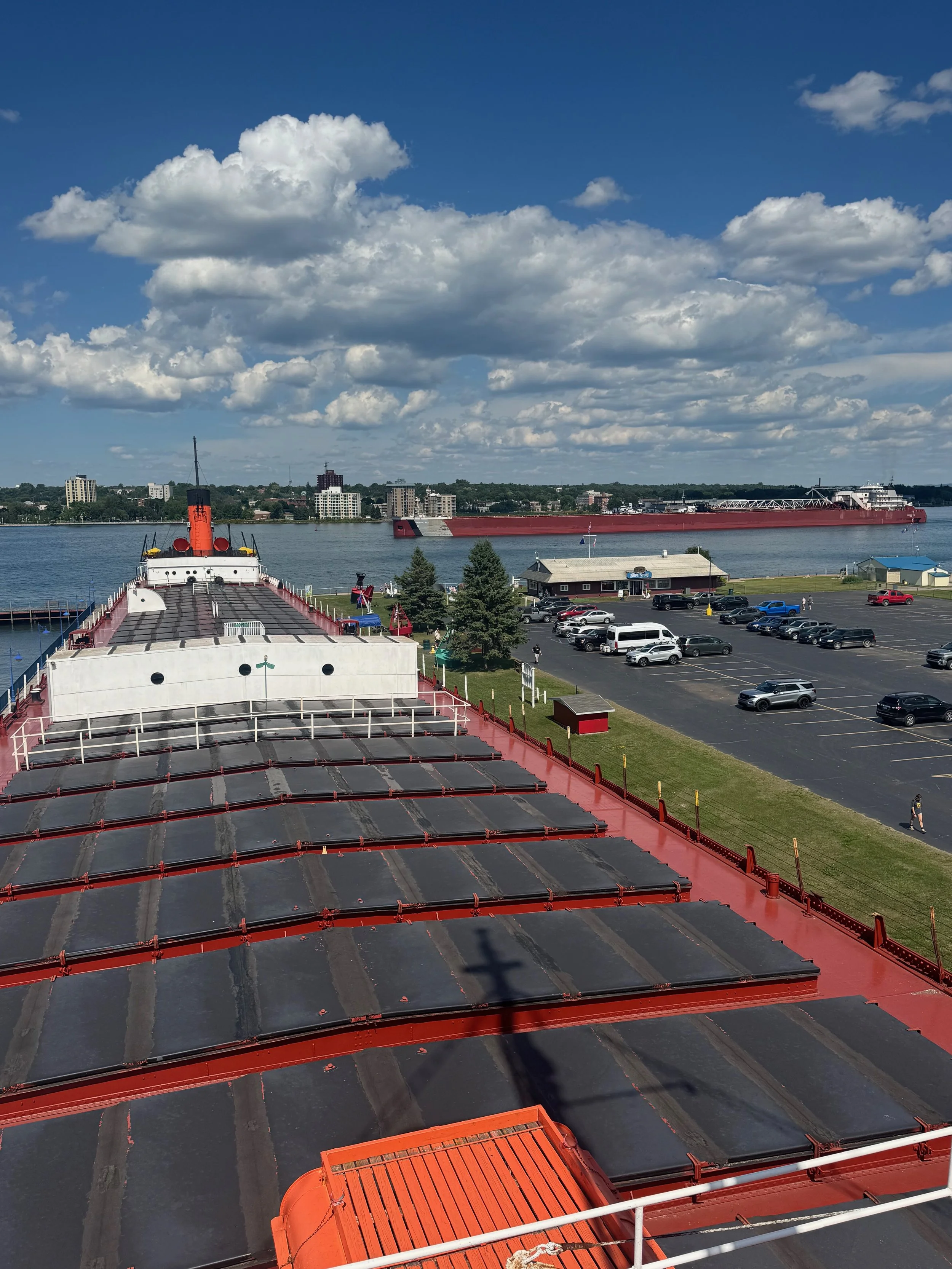
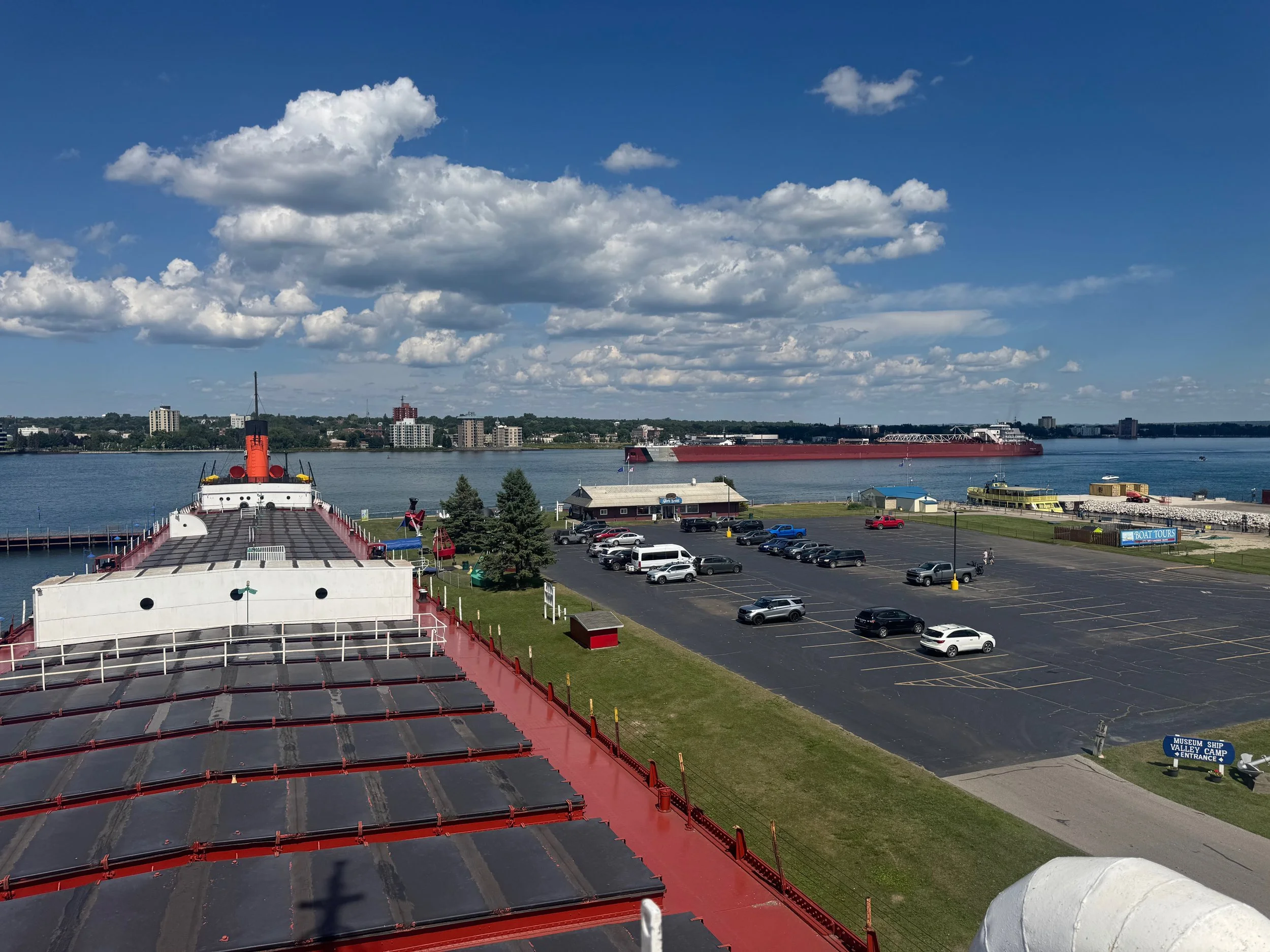
If you’re interested in Great Lakes shipping, this is the place. On one side of the marina there is a 550-foot long Great Lakes freighter called the Valley Camp. It has been turned into a great museum with many displays about freighters on the Great Lakes and the large numbers of different cargos they carry. It also has a moving display on the Edmund Fitzgerald, the infamous freighter lost in the squalls of November on Lake Superior and the subject of the well-known song by Gordon Lightfoot.
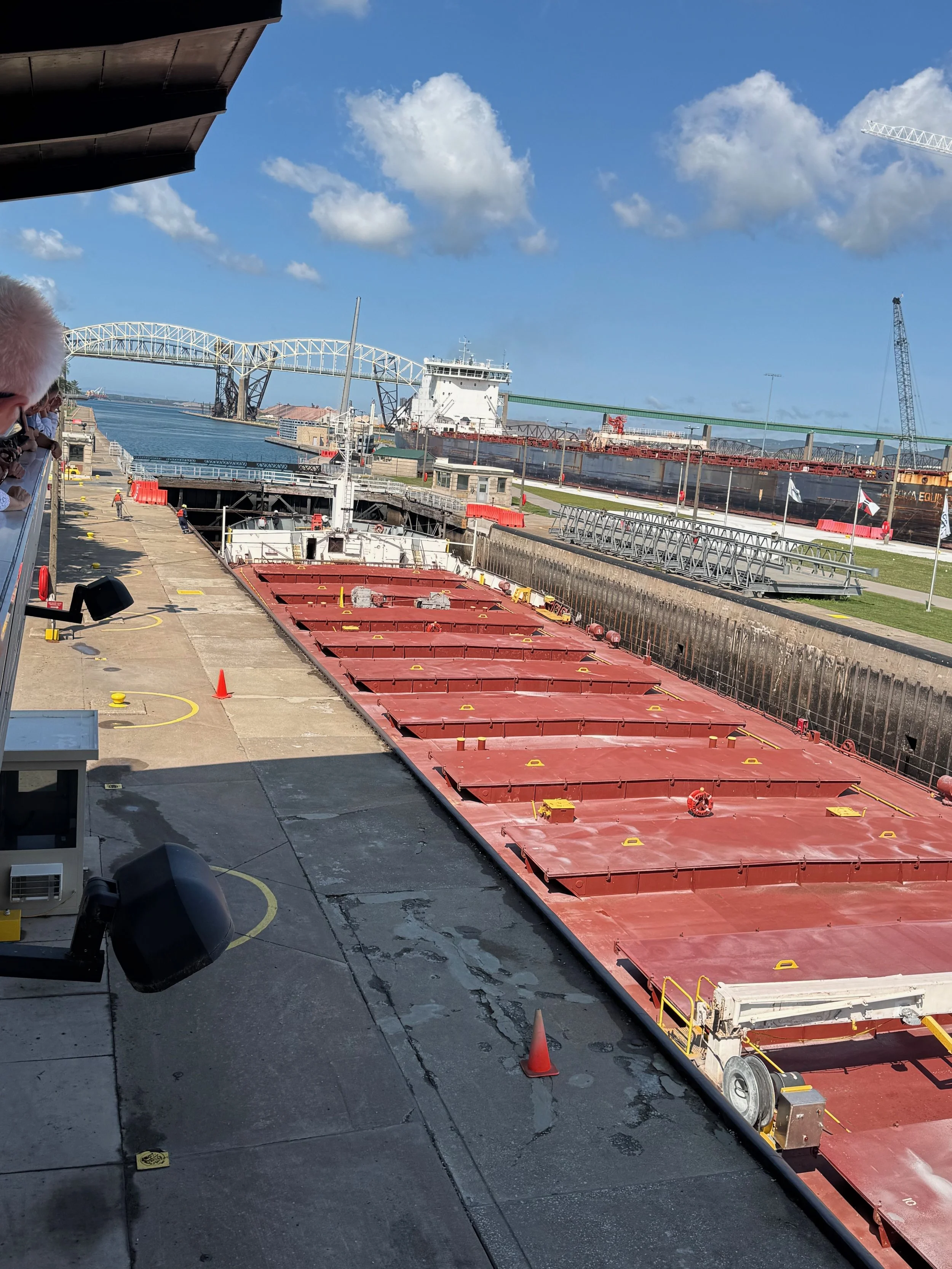
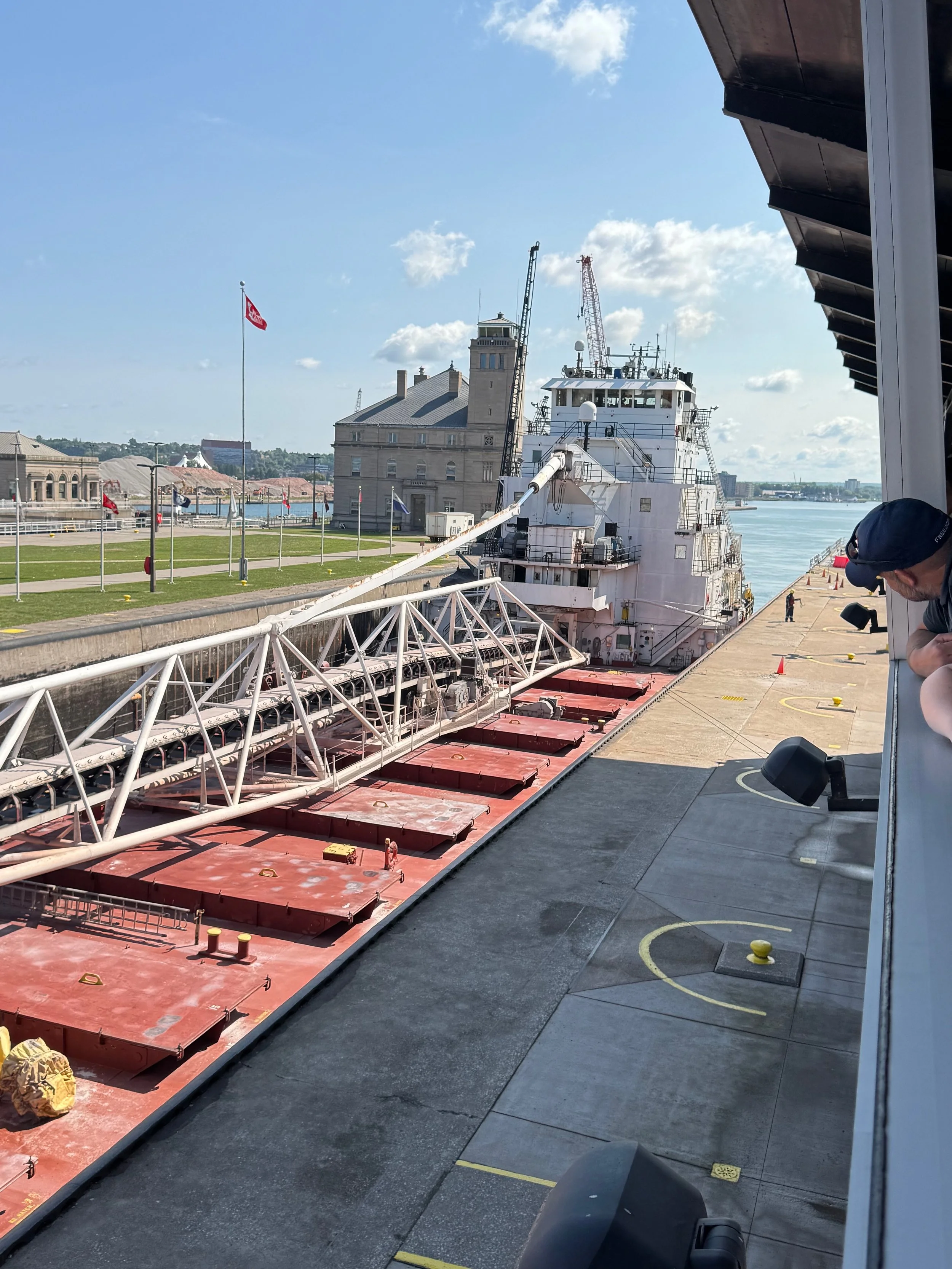
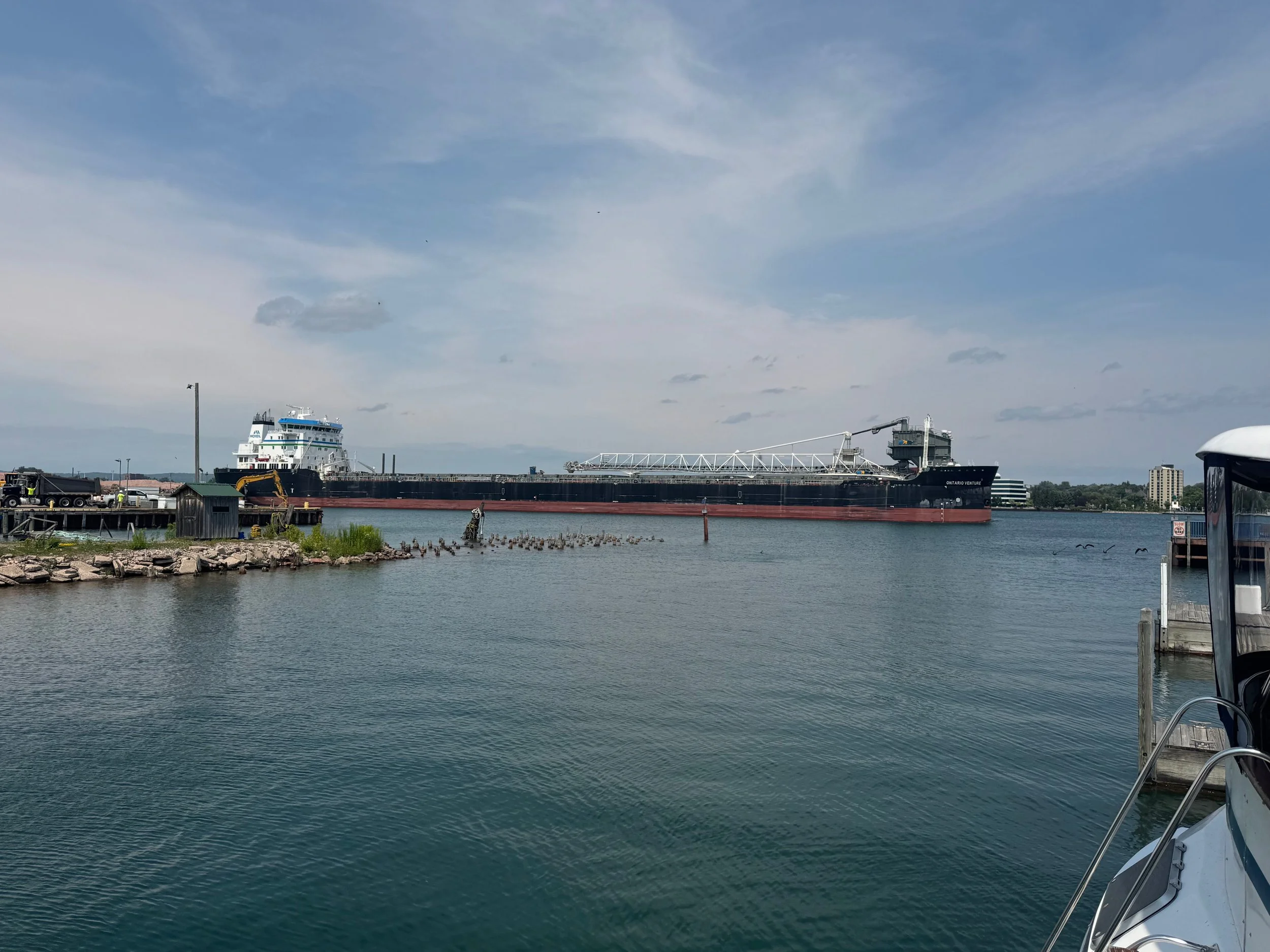
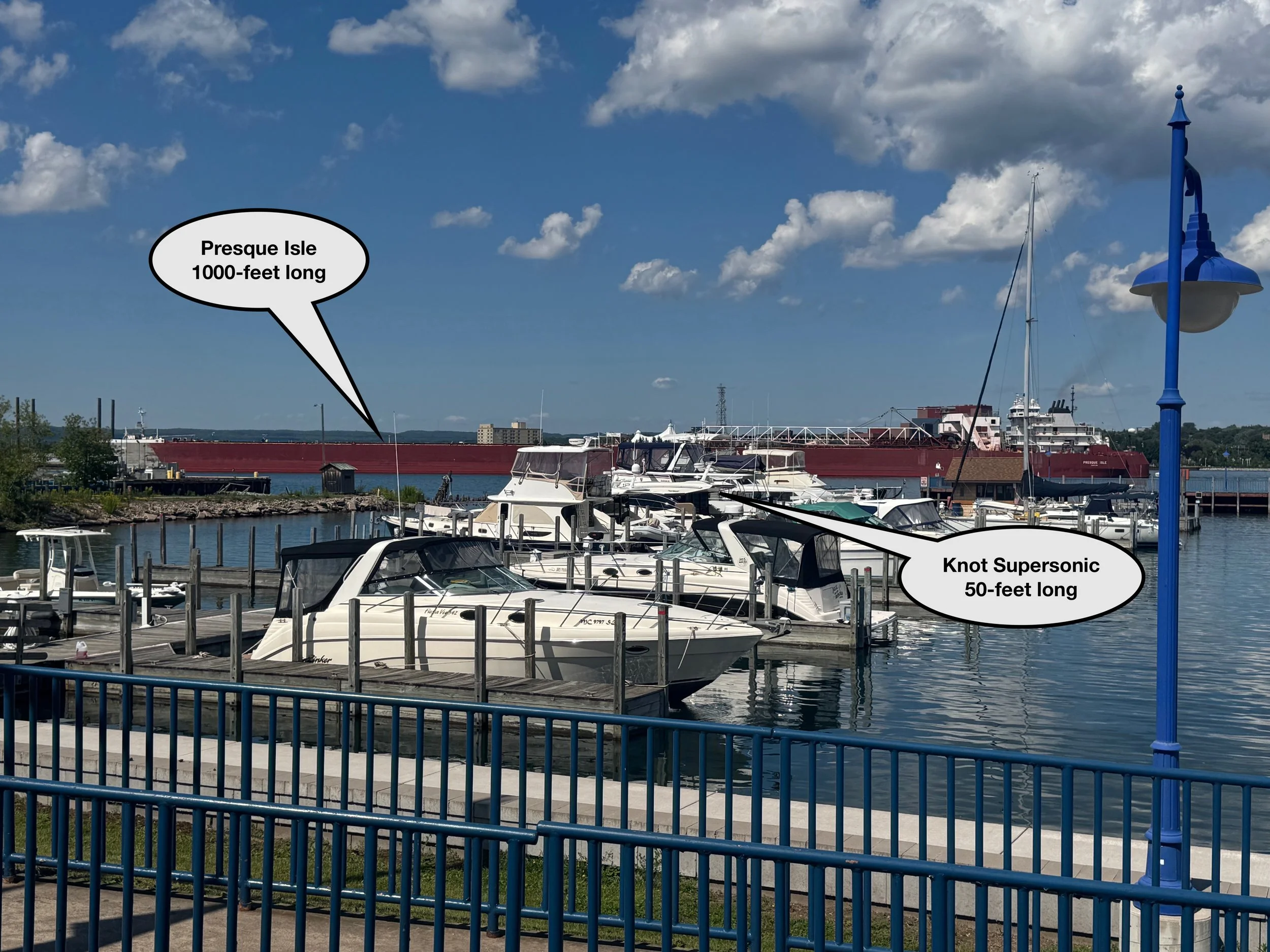
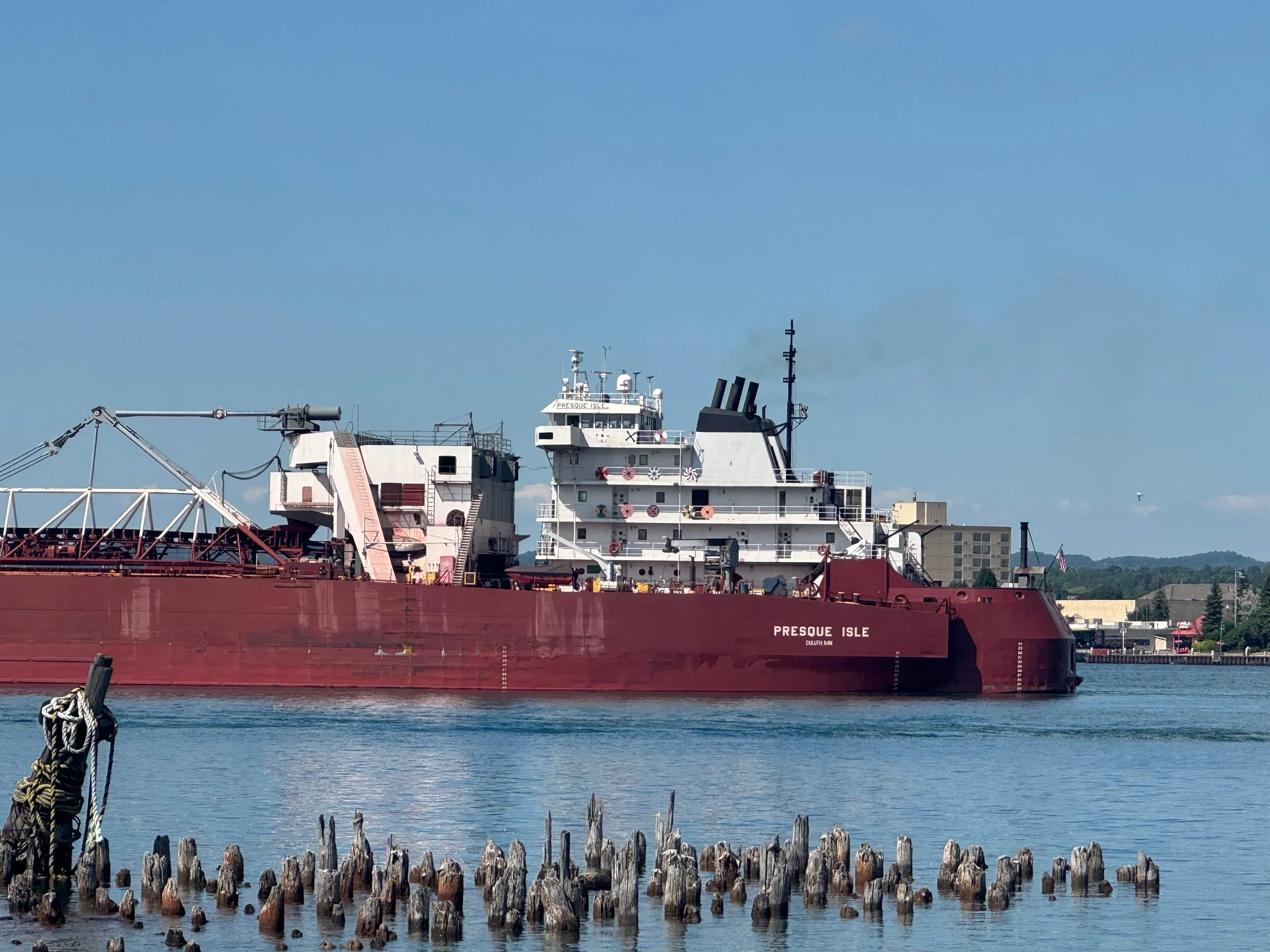
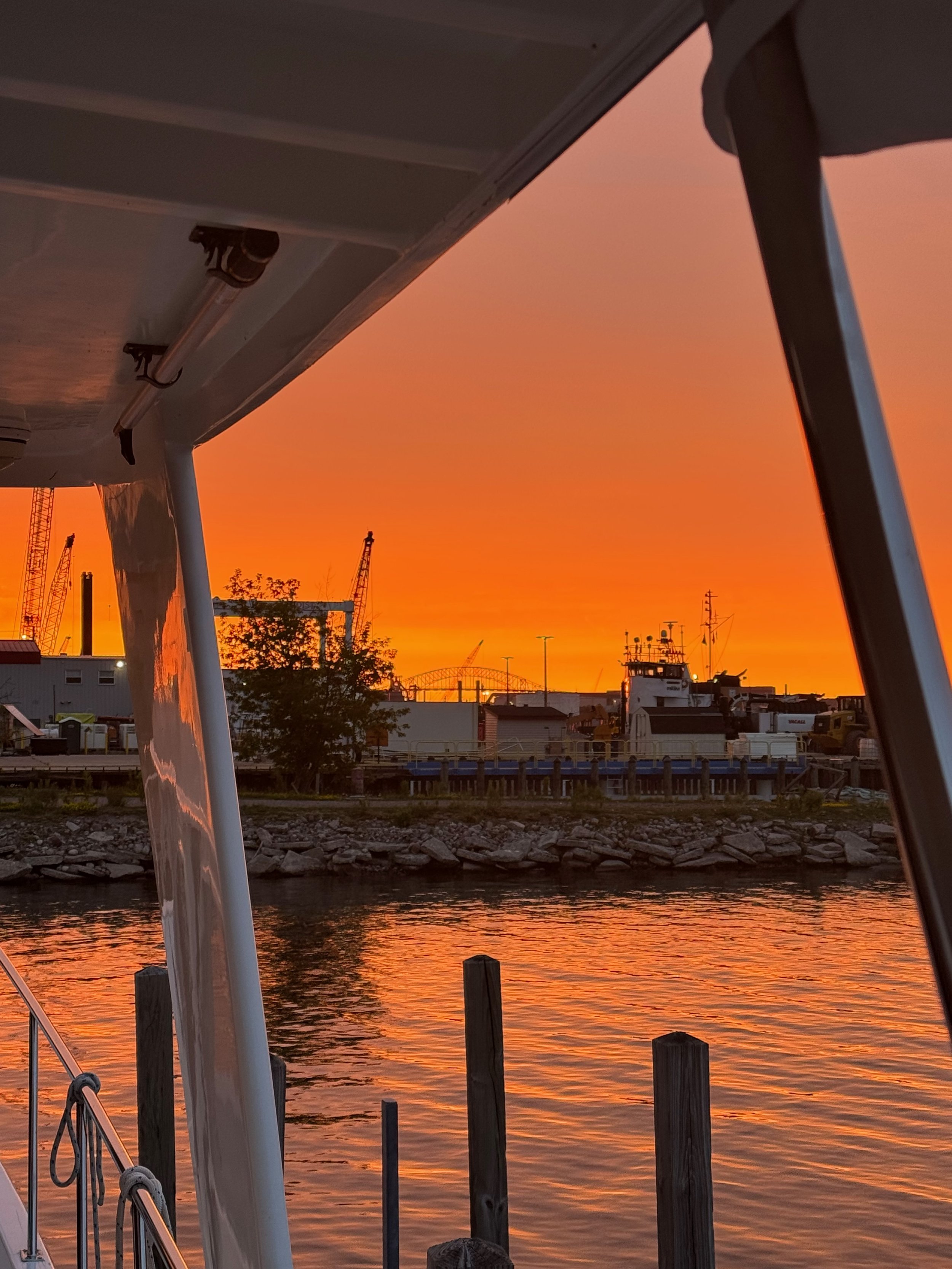
The ships that go through these locks can be as long as 1000 feet! They are massive, fill the horizon as they crawl past the marina and then squeeze into the locks where we had a front-row-seat to the spectacle. The pictures below show the one-of-a-king Presque Isle which is the largest integrated tug/barge freighter on the Great Lakes.
The hydroelectric plant seen in our photos was built in 1902 and there is a canal that was dug specifically to feed water to the plant. The water flows in that canal at five to seven miles per hour, which is extremely FAST!